Official state lists only
Find state-approved CNA classes near you
To sit the CNA exam you must finish a program on your state's approved list. We bring those lists together, city by city, with official pass rates where the state publishes them.
- Official state lists only
- Updated with check dates
- No paid rankings
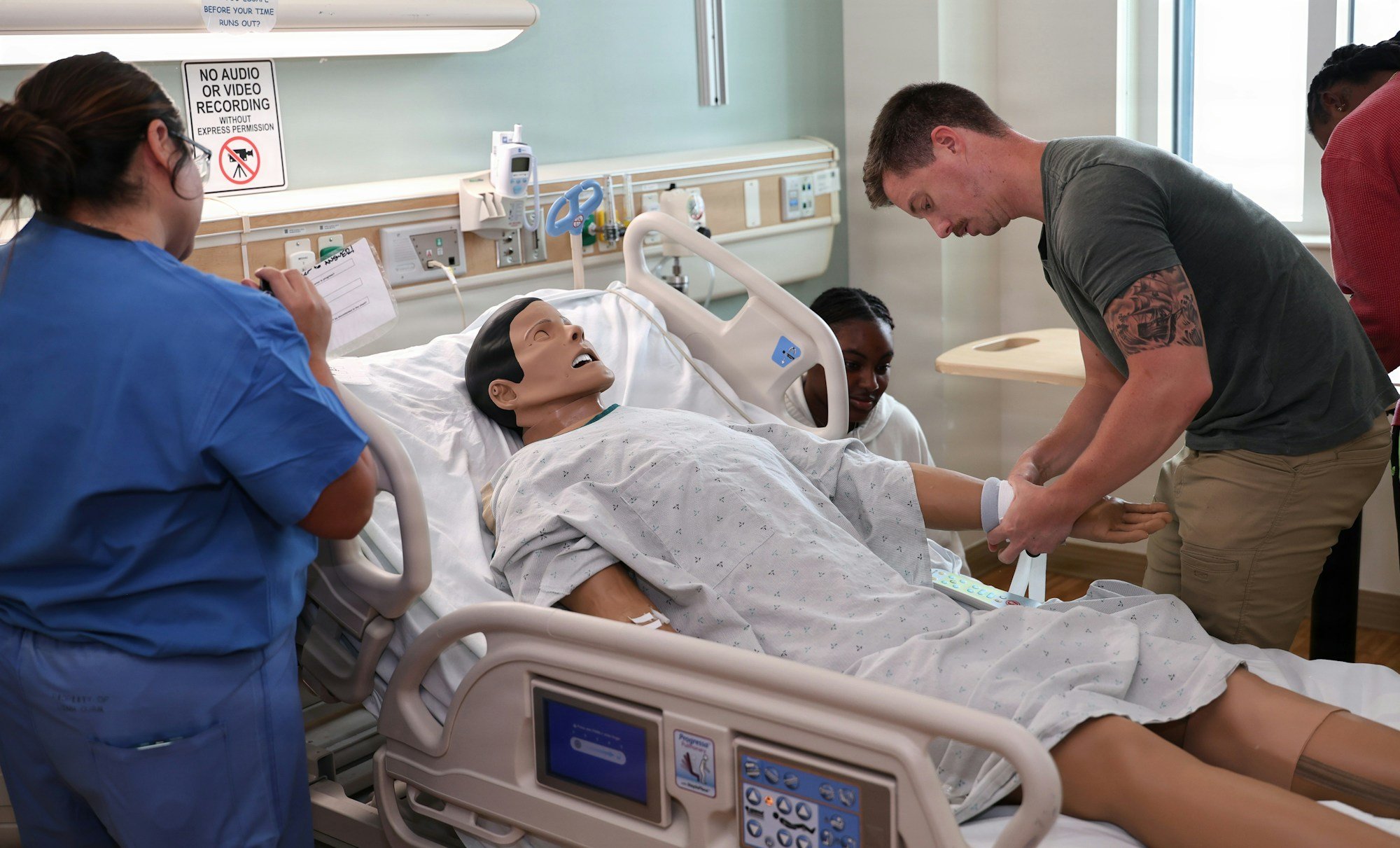
Photo: Navy Medicine on Unsplash
Choose your state
More states are being added one at a time, each from its official list.
How you become a CNA
- Step 1Choose an approved programOnly programs on your state's approved list count toward certification.
- Step 2Train for at least 75 hoursIncluding at least 16 hours of supervised hands-on practice.
- Step 3Pass the state examA written or oral test (your choice) plus a skills demonstration. You must pass both.
- Step 4Join your state's registryThe state lists you on its nurse aide registry, so employers can check you're certified.
Three checks before you enroll
- 1Is it on the state's approved list? Only approved programs let you sit the state exam. Every program on this site is on its state's current list, with the date we checked.
- 2How do its students do on the exam? Where the state publishes pass rates, as Florida does, we show each program's rate and how many people tested.
- 3Confirm the details with the program. Ask about start dates, schedule, total cost and what's included before you pay anything.
What federal rules require
Every state-approved nurse aide training program must meet these federal minimums:
At least 16 hours of training must also come before you have any direct contact with a resident. States can require more than the federal minimum, so check your state's page.
Source: 42 CFR §483.152(a) and (b), Cornell LII / eCFR.
Good to know
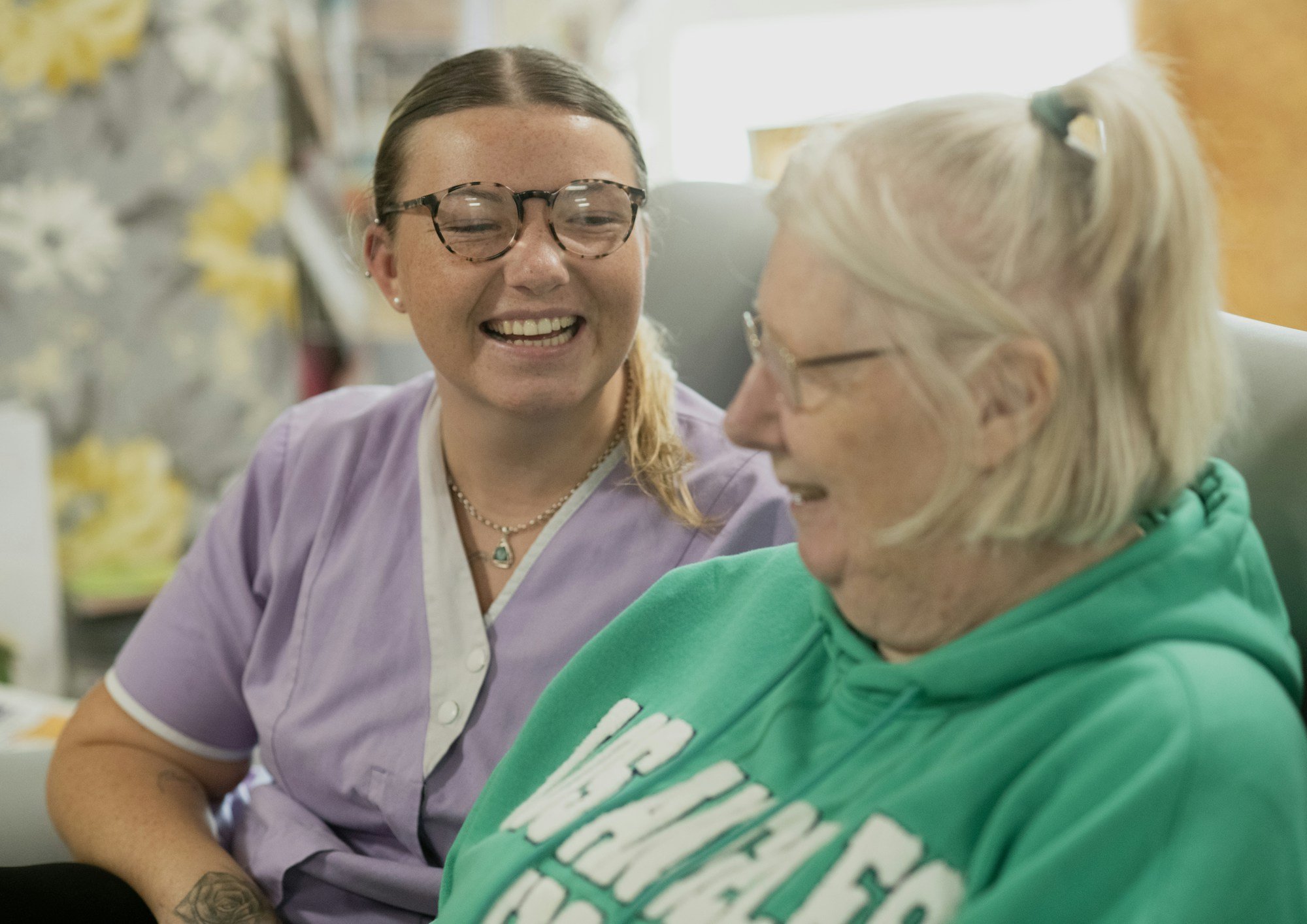
CNA training can be free
Under federal rules, a nursing facility can't charge you for any part of an approved training program, including textbooks, if it already employs you or has offered you a job.
If you pay for training yourself and a nursing facility hires you within 12 months of finishing, the state must reimburse your costs, pro rata, while you work there as a nurse aide.
Read the full guide, with facility-run programs near you →
Source: 42 CFR §483.152(c), Cornell LII.
Florida pass rates at a glance
Florida statewide first-time pass rate, by year
Compare every Florida program's pass rate, 2019–2025
Source: Florida Board of Nursing yearly pass-rate reports and approved programs list. Checked November 2, 2026.
Cities with the most approved programs
Common questions
How do I know if a CNA program is approved?
Check your state's official list of approved nurse aide training programs. Every program on this site comes from that list, and each page links to the list and shows the date we checked it.
How many hours is CNA training?
Federal rules set a minimum of 75 hours, including at least 16 hours of supervised hands-on practice. Many states require more, and programs often run longer than the minimum.
Can I get CNA training for free?
Yes, in some cases. A nursing facility that employs you, or has offered you a job, can't charge you for approved training. If you pay yourself and are hired by a nursing facility within 12 months, the state must reimburse you pro rata.
What does a program's pass rate mean?
It's the share of the program's first-time test takers who passed the state exam in a given year. Look at how many people tested too: a program with a few testers can swing a lot from year to year.
Federal rules: 42 CFR §483.152, Cornell LII. How we collect our data.